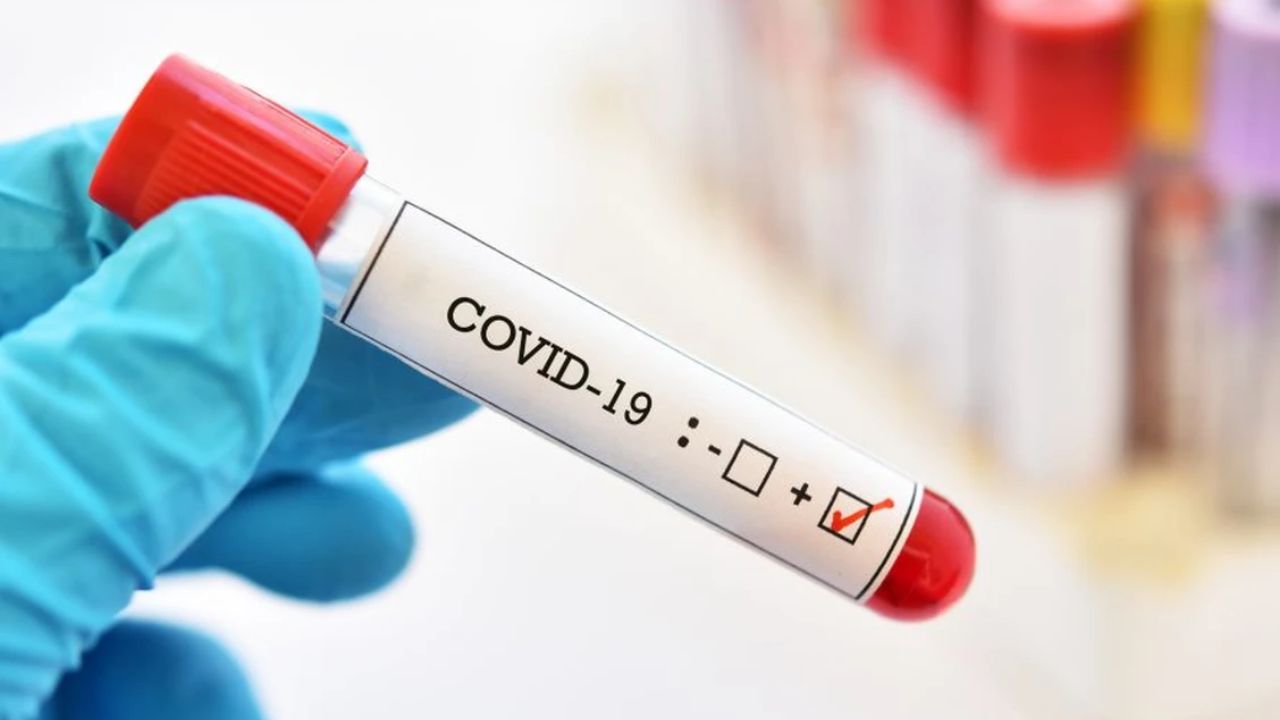
Just when it felt like the world had left COVID-19 cases in the rearview mirror, India is seeing a new rise in active cases. As of May 26, 2025, the country has crossed 1,000 active cases, marking the highest peak this time. This increase sparks concern among health professionals and public health authorities, especially in countries like Kerala, Maharashtra, Delhi, and Gujarat.
While this isn’t yet a large-scale outbreak, it’s a pivotal reminder that COVID-19 hasn’t fully gone away. With new variants in rotation and changing seasonal conditions, public mindfulness and precautionary measures are once again taking center stage.
The figures where India Stands Right Now
According to sanctioned sources, India recorded:
• 752 new COVID-19 cases in the last week( as of May 26)
• 305 reclamations in the same period
• 7 deaths reported, substantially among high-threat groups
• Total active cases over 1,000, the loftiest in 2025 so far
This data signals a rising trend, though not as intimidating as former swells. Still, it’s a pattern worth watching closely, especially as experts suggest new variants may behave differently than earlier strains.
What’s Causing the Rise? A Look at the New Variants
Health experts are presently covering the spread of newer variants, particularly JN.1, LF.7, and NB.18. These variants, while not inescapably more deadly, appear to have advanced transmissibility and a stronger impact on the respiratory system.
Early symptoms include:
• Patient fever
• Sot or wet cough
• Briefness of breath
• Fatigue
• Occasional loss of taste or smell
• Casket traffic or miserliness
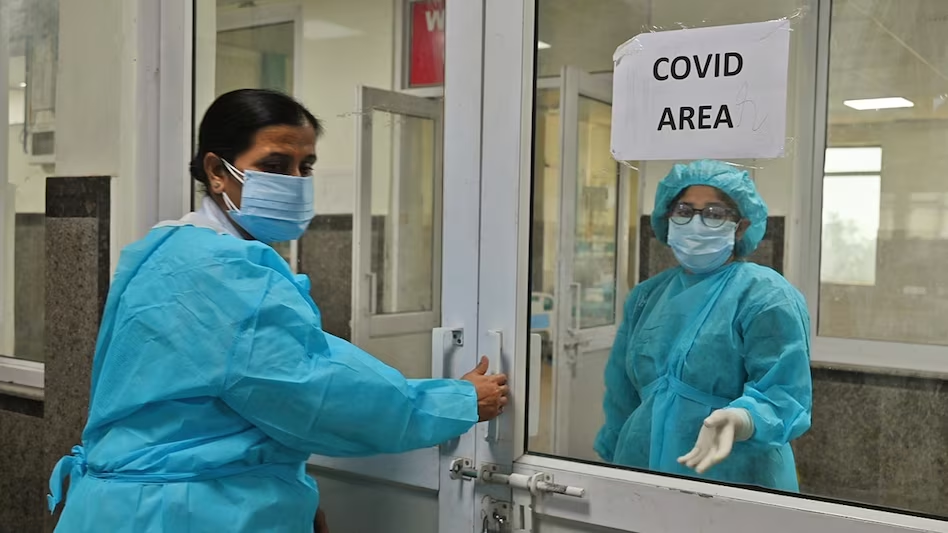
Croakers are prompting the public not to ignore these symptoms, especially if you’re part of a high- threat group like the senior, those with pre-existing health conditions, or people with compromised immunity.
State-Wise Impact: Kerala, Delhi, and Maharashtra on High Alert
The shaft in active COVID-19 cases isn’t unevenly spread across the country. Many countries are passing sharper increases, leading to original health advisories and covering protocols
• Kerala tops the map with 430 active cases, nearly 40 of India’s aggregate.
• Delhi has reported 104 active cases, which is the highest for the capital this time.
• Maharashtra and Gujarat are also reporting increases, particularly in civic centers.
Original governments in these countries are adding the number of testing centers, covering sanitarium capacities, and advising citizens to avoid large gatherings.
COVID-19 Vaccines Still Make a Difference
One of the biggest advantages India has now is its wide vaccination coverage. utmost of the adult population has received two boluses, and many have taken the first booster.
still, data indicates that supporter uptake has broken in recent months. Health experts are calling for renewed sweat, especially for
• Elderly citizens( 60)
• People with habitual conditions like diabetes, heart disease, or asthma
• Frontline workers and healthcare professionals
Supporter shots are essential to maintain impunity, especially as the contagion evolves. It’s worth noting that while vaccines may not entirely help prevent infection, they’re largely effective at reducing the incidence of illness, hospitalization, and death.
Should You Be Concerned?
The short answer is Stay alert, not scarred.
Although the increase in COVID-19 cases is conspicuous, it’s nowhere near the severe situations witnessed during the Delta or Omicron swells. There are presently no lockdowns, curfews, or travel restrictions in place.
Still, the Ministry of Health and Family Welfare recommends introductory preventive measures
• Wear masks in crowded or inadequately ventilated areas
• Avoid close contact with people showing symptoms
• Maintain particular hygiene, including regular hand washing
• Avoid a gratuitous trip if you’re bad
• Consult a croaker
At the first sign of symptoms
Use of Digital Tools Aarogya Setu & CoWin Still Applicable
While digital shadowing tools have seen a decline in operation, they remain helpful
• Aarogya Setu App Tracks exposure to COVID-19 positive individuals, gives cautions, and shares original case updates.
• CoWIN Portal is still functional for supporter enrollment and vaccination information.
These tools offer a redundant subset of safety and help health authorities in shadowing and controlling outbreaks quickly.
Moving Forward: The New Normal
It’s clear by now that COVID-19 isn’t going to vanish entirely. Rather, it’s anticipated to transition into an aboriginal illness like the flu may beget seasonal harpoons.
That’s how we can acclimatize
• Stay informed. Follow dependable news sources and updates from health departments.
• Get vaccinated. Don’t detention boosters, especially if you’re high-threat.
• Act responsibly. If you’re feeling sick, stay home and avoid exposing others.
• Support public health services. Cooperate with testing and contact tracing when required.
READ THIS: Get Flipkart Coupon Code Free – No Minimum Purchase Required | Save Instantly
READ THIS: Invest wisely with SBI Jan Nivesh SIP for just ₹250 a month.
Finalley
The recent spike in COVID-19 cases across India, particularly in Kerala and Delhi, serves as a timely reminder that the contagion still poses a threat, especially for vulnerable populations. But thanks to vaccinations, better healthcare systems, and increased public mindfulness, we’re in a much better position to handle these challenges.
Let’s not slide into complacency. A simple way can cover not just you, but your family and community. Stay updated, stay safe, and continue to follow health advisories as we navigate this ongoing phase of the epidemic together.